
Magnificent Mile
Our Mission
“When nuclear risk disappears from public consciousness, only storytellers have ever been able to bring it back — not policymakers, not academics — filmmakers.”
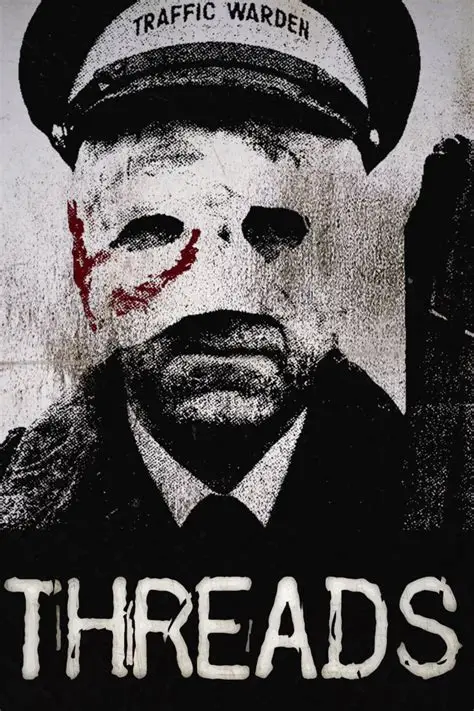
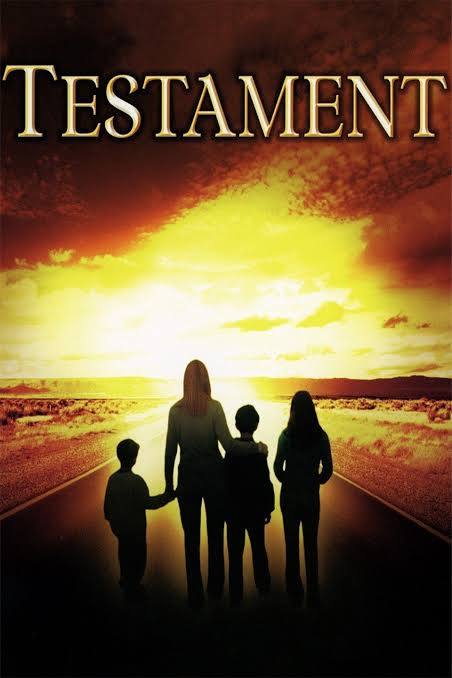
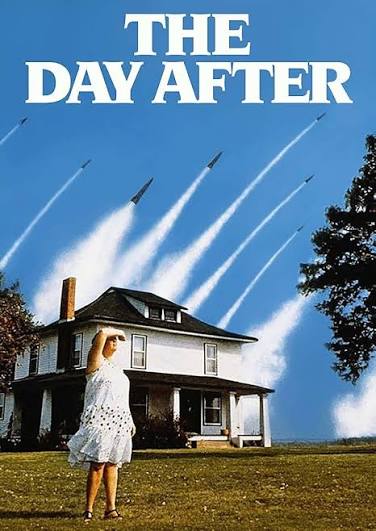
In the 2023 Los Angeles Times piece entitled “The Three Filmmakers Who Saved the World,” author Tim Grierson makes a striking observation: when nuclear risk disappears from public consciousness, only storytellers have ever been able to bring it back. Not policymakers, not academics — filmmakers. The article traces how a handful of 1980s narrative works--Testament, The Day After, and Threads--fundamentally shifted public awareness and political will during moments when nuclear danger was rising but invisible.
Today, the world is operating in the same vacuum those filmmakers confronted: a world where nuclear weapons are simultaneously more dangerous and less discussed than at any point since the Cold War. Magnificent Mile is not just a film; it is a strategic intervention in a space where narrative has historically been the only tool capable of moving public attention.
Cinema is the medium that reaches people emotionally, viscerally, and at scale — and Magnificent Mile is designed to stand in direct continuity with that tradition.
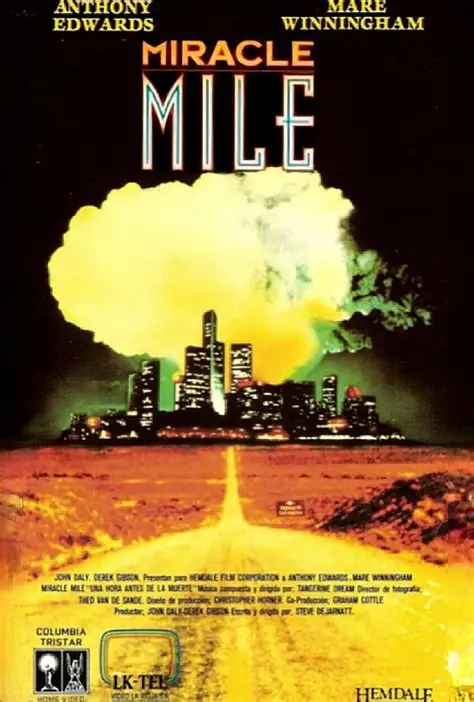
That lineage inspires Magnificent Mile, a proposed film set in Chicago, depicting a city celebrating on the evening the world begins to unravel.
nearing midnight
Founded in 1945 by Albert Einstein, J. Robert Oppenheimer, and University of Chicago scientists who helped develop the first atomic weapons in the Manhattan Project, the Bulletin of the Atomic Scientists created the Doomsday Clock two years later, using the imagery of apocalypse (midnight) and the contemporary idiom of nuclear explosion (countdown to zero) to convey threats to humanity and the planet.
The Doomsday Clock is set every year by the Bulletin’s Science and Security Board in consultation with its Board of Sponsors, which includes nine Nobel laureates. The Doomsday Clock has become a universally recognized indicator of the world’s vulnerability to global catastrophe. In early 2026, the Bulletin of Atomic Scientists set the clock to 85 seconds to midnight--the closest it has ever been to midnight.

More dangerous,
less
discussed
Nuclear arsenals are growing, the last treaty governing them lapsed in 2026, and the Doomsday Clock sits closer to midnight than at any point in its 79-year history — yet nuclear risk gets a fraction of the sustained attention it commanded in the 1980s, when it shaped the era's films, protests, and nightly news.
9 declared nuclear states
0 active nuclear treaties
12K nuclear warheads worldwide
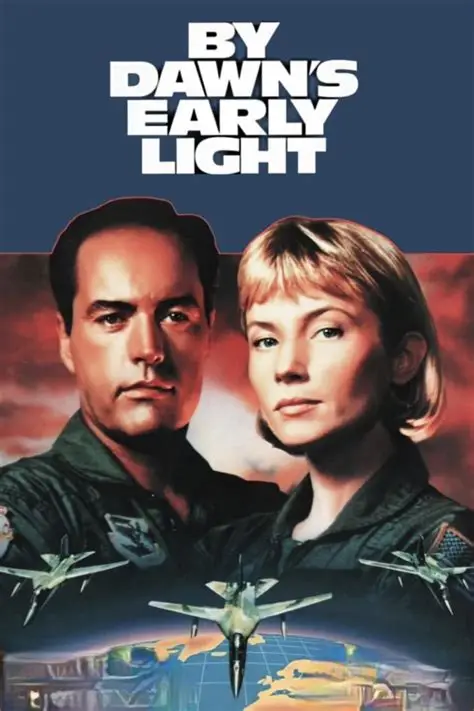
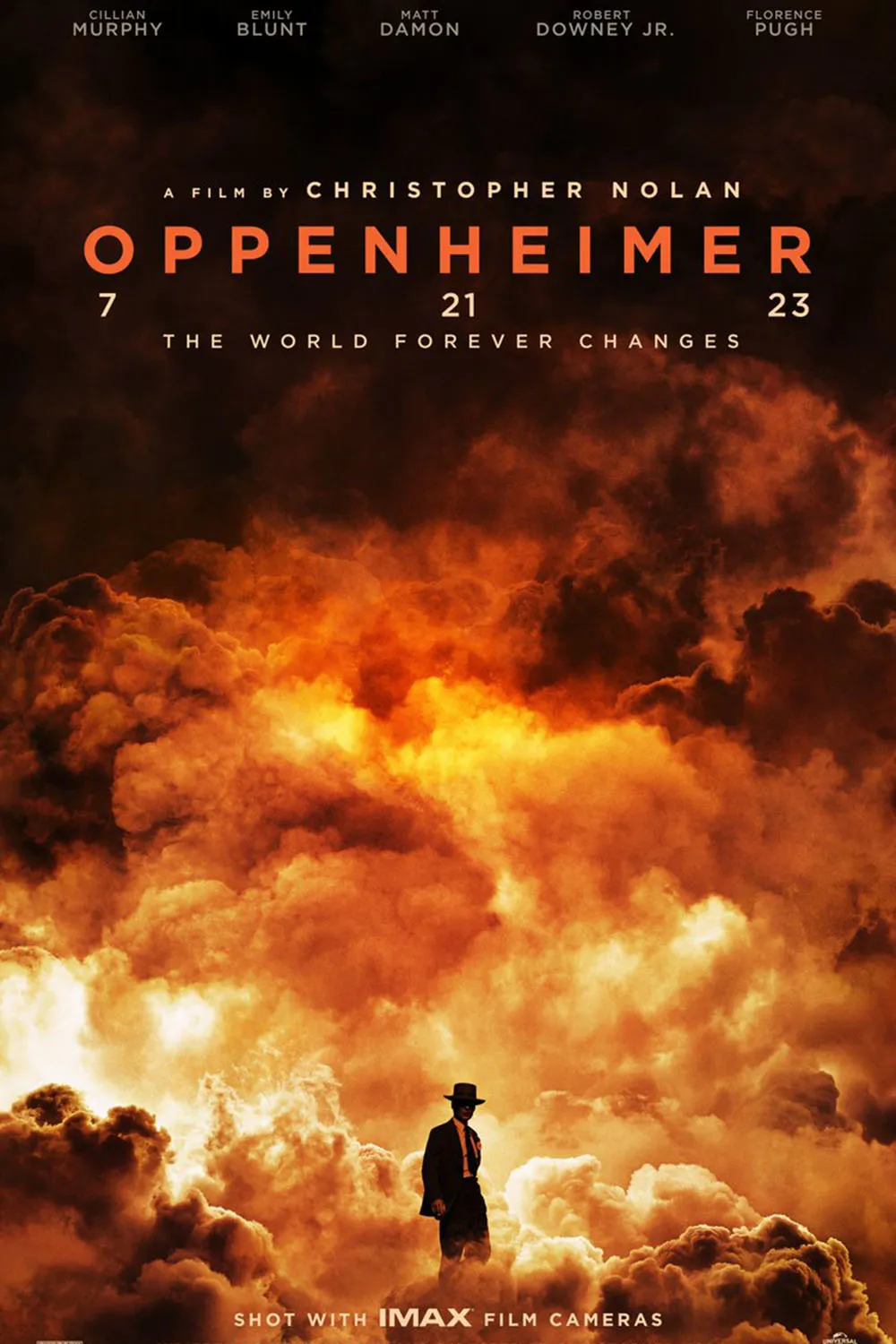
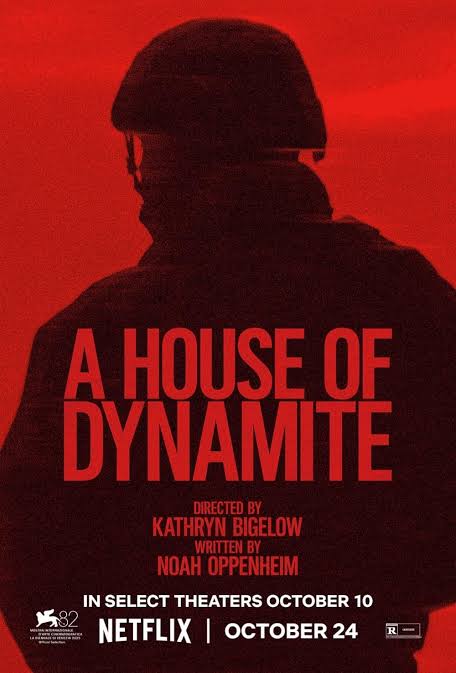
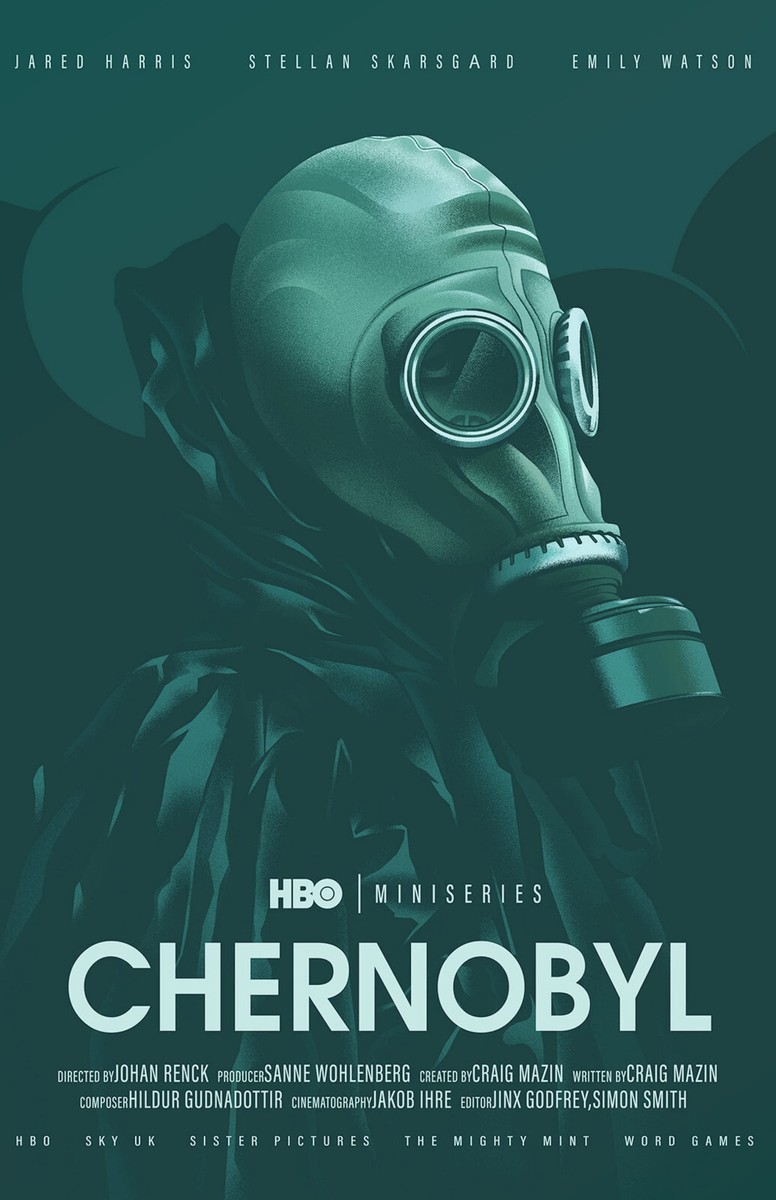
Influential Media


contact
Feel free to contact us for any inquiries or to learn more about our film, Magnificent Mile.